
Welcome back everyone 👋 and a heartfelt thank you to all new subscribers who joined in the past week!
This is issue #105 of the Gorilla Newsletter, an online publication that sums up everything noteworthy from the past week in creative tech and AI. If it's your first time here, we've also got a Discord server where we nerd out together, come and say hi: here's an invite link!
That said, cue the news 👇
New in Creative Tech
1 — Fluoddity: is a variation on the classic Physarum algorithm popularized by Sage Jenson, where each particle is enhanced with a tiny neural-net-like brain. And instead of following a density map, particles steer based on an underlying flow-field that indicates the direction preceding particles were moving, producing flow and liquid-like emergent forms.
In the original Physarum model particles have sensors that sample an underlying density map, simply a grid of values, that represents a sort of pheromone intensity. Each particle then moves in the direction of the strongest reading, and then deposits back into this map, leaving its own trail for other particles to follow. In this sense the steering rule is fixed, which results in the network-like structures that are reminiscent of slime molds.
In Fluoddity, instead of a steering rule, each particle gets equipped with a parameter matrix that determines its behaviour. Concretely, the steering "rule" is described through a 10x8 float32 matrix parametrizing a behavior function. The sensor values are fed into this behaviour function, and the outputs are used to accelerate and reposition the particle. So "turn toward the strongest trail" (the original Physarum rule) is just one point in a large behavior space.
The function itself is a simple sum of sine waves, where the amplitudes, frequencies, and phases essentially are the mutable parameters. Changing those parameters produces smooth changes which gradually alter how the particle steers.
What's intriguing is that there's also a mutation aspect to the particle's brain. In the live simulator webpage, you can click on a particle such that its "brain" becomes the blueprint for all other particles. Which changes the entire behaviour of the simulation on the fly.
The simulation's been popping up in my feed over and over again, and while I first took it for another vibecoded demo, I ended up digging into it a little more after none other than Alex Mordvintsev quote tweeted one of the screenrecordings:
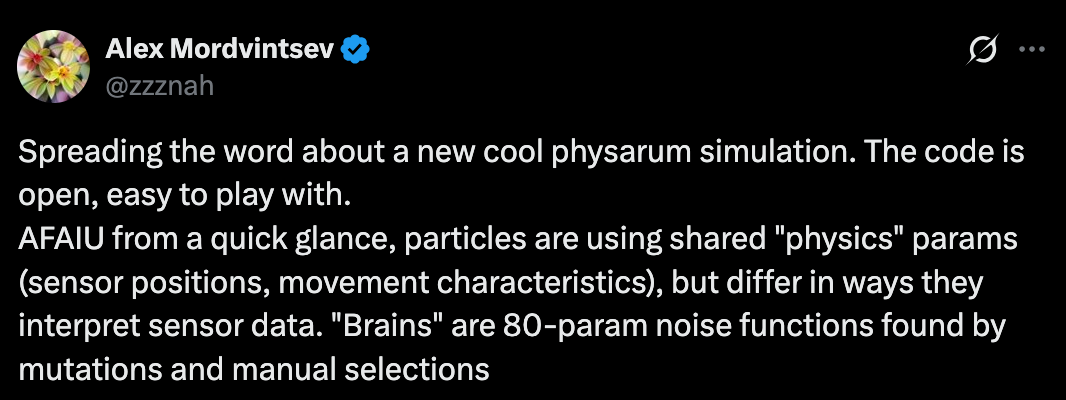
I also found a sort of blog website by Ooops all Paperclips that has a couple of posts showing off some of the different species discovered in the system so far. You can also find a simpler version of the simulation over on the "core" github repo.
2 — Blur, Sharpen, Turing Patterns: without a doubt my favourite find this week; an article by Maxime Vidal that explains how images can be transformed into Turing patterns simply by repeatedly applying blur and sharpening filters.

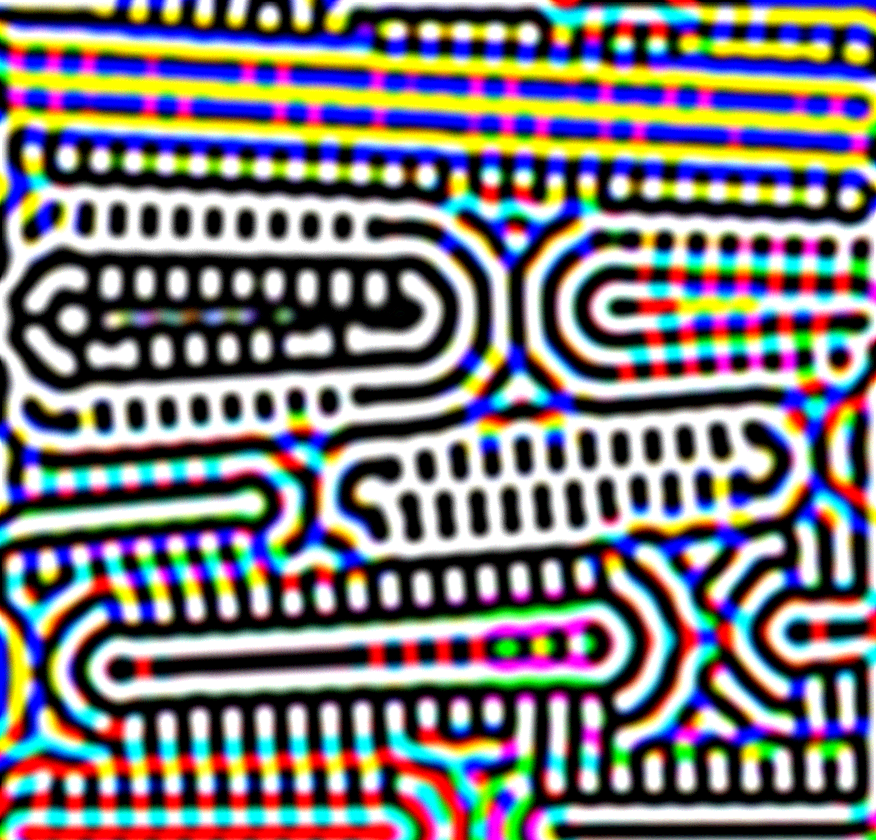
I ran one of my WIPs through this process. You can clearly see how the geometric structures serve as guidelines for the emergent Turing pattern.
If you're not familiar with Turing Patterns, it's essentially a unique type of pattern that frequently occurs in different places throughout nature; on the hide of different animals (zebras and leopards for instance), fingerprints, and even corals.
In 1952 Alan Turing published a paper titled the "Chemical Basis of Morphogenesis" that describes this phenomenon as a chemical reaction and formalizes it via an algorithmic method to recreate it, which later on caused these forms to become known as Turing Patterns. I've posted a short video explainer on this topic over on Instagram a while ago if you're curious.
While Turing's algo simulates the interaction of two chemicals to create the emergent patterns, Maxime's article demonstrates a different approach that morphs existing images in a Turing patterns.
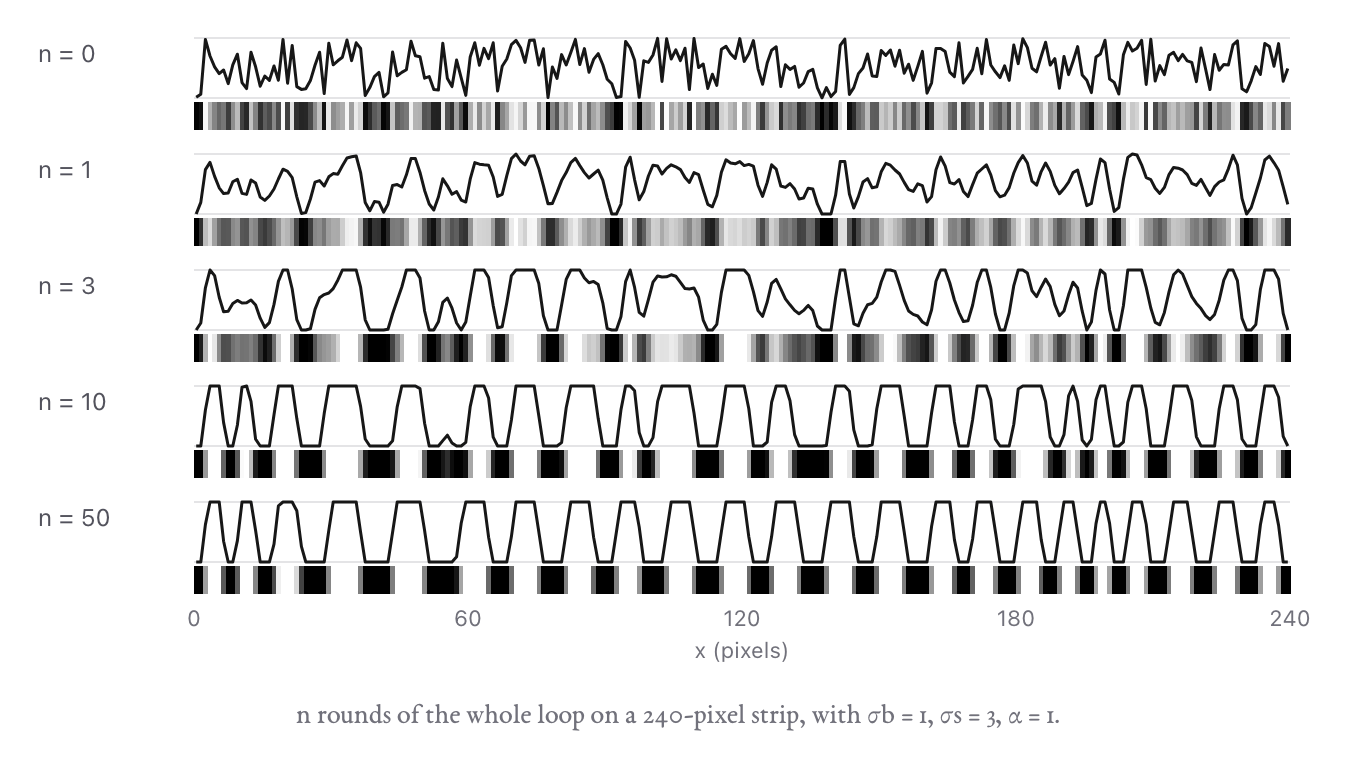
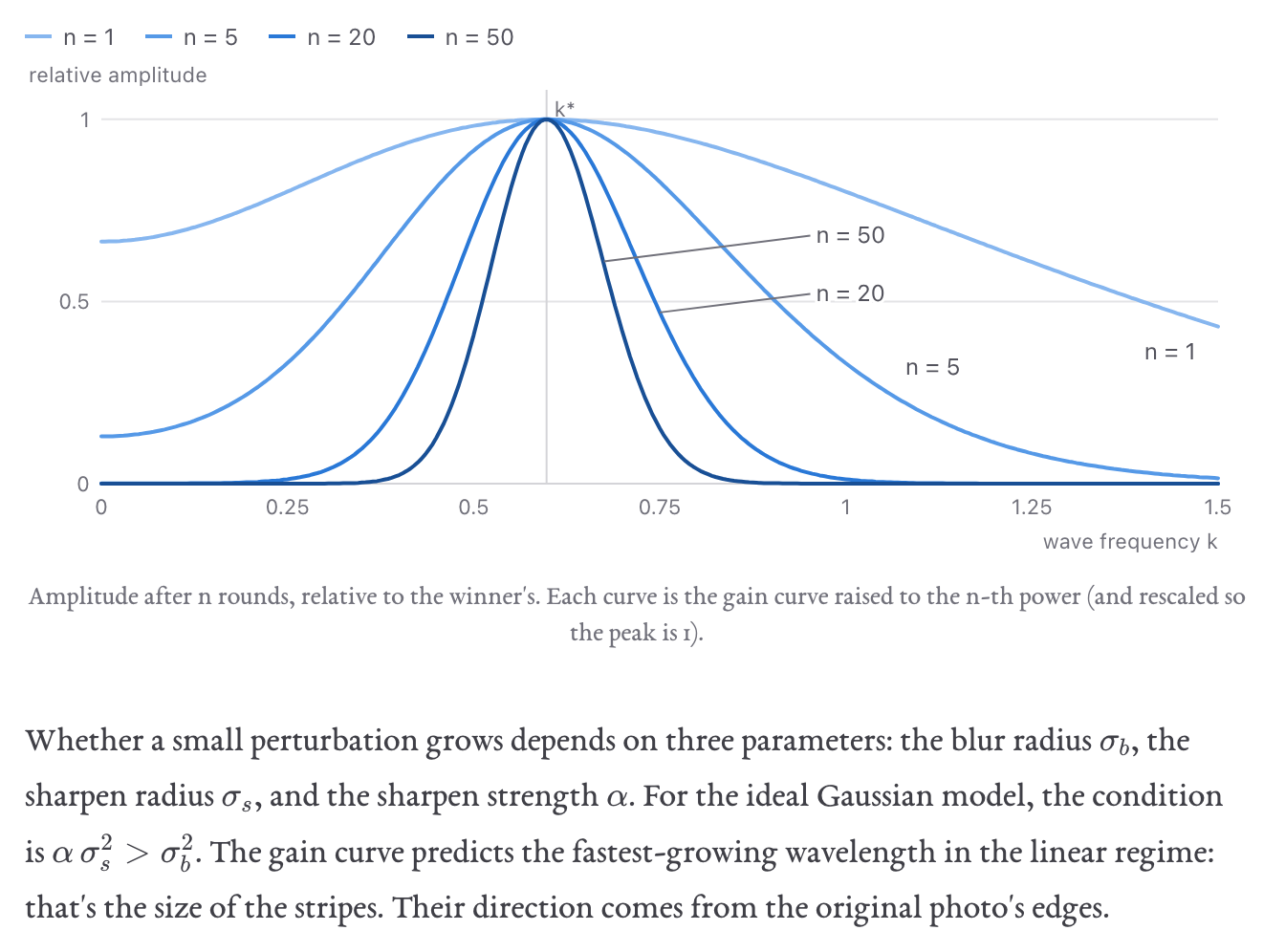
Images contain details at different sizes, from large shapes (similarly colored areas) down to fine texture (where pixels change color rapidly). If we were to represent these features as waves, large shapes would be slow, wide ripples and fine texture would be fast, narrow ones. Applying a blur wipes out the smallest details (it flattens the narrowest ripples), while sharpening intensifies the small ripples that survive the blur. So if you blur a little and sharpen a lot, the details of one particular size that survive each filtering pass, get slightly stronger every round, while everything smaller gets erased.
If we repeat this enough times, the image slowly separates into light and dark bands of a single width, set by the sizes we pick for the filters. While the math involved looks quite unapproachable, Maxime's explanations make it quite clear. He also provides a demo into which you can drop your own image to turn it into a Turing-ified version.
3 — Websites, Websites, Websites! (WWW!): celebrates the website as an artistic medium, bringing together twenty artists for Rhizome’s 30th anniversary.
Without attempting a definitive history of Net Art, the exhibition explores thirty years of our changing relationship with the internet through browser experiences that invite experimentation, intimacy and critique.

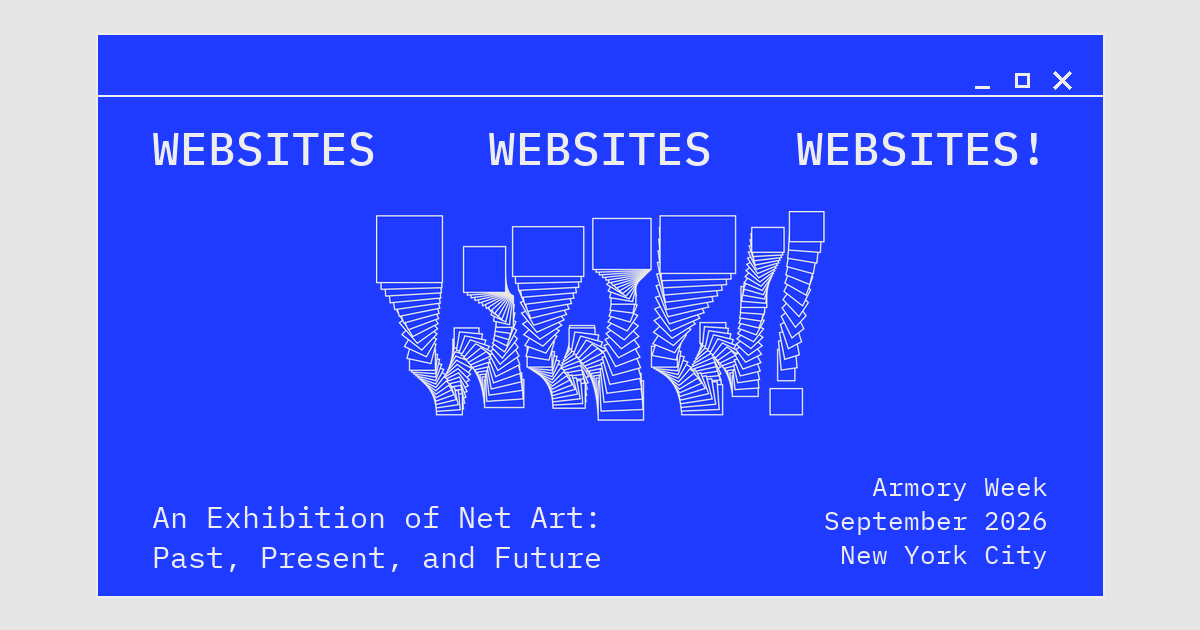
And the overview page is an absolute treat to scroll through; the 20 projects are divided into 4 tracks: anarchy, abstraction, poetic computing, and ghosts, each of which tries to capture a different internet era and its encapsulated ethos, from the 1990s up until 2026.
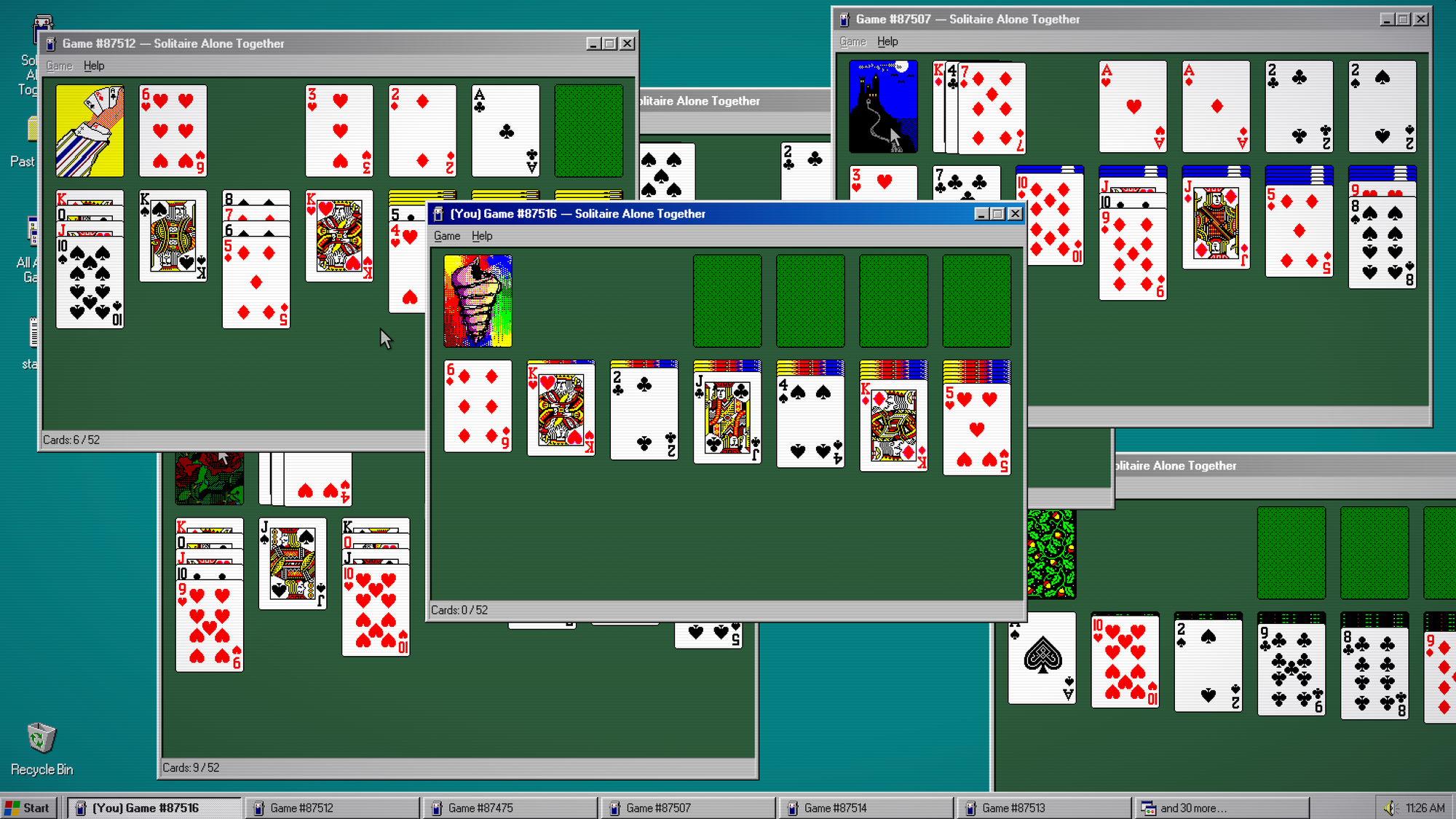
My personal standout projects among the 20 are both from the Poetic Computing section. Nolen Royalty's Solitaire Alone Together, that puts you in a shared Windows 95 desktop view, letting you play your own session of a classic game of solitaire, but also showing the solitaire sessions of other people that are currently connected to the same website. If you haven't played Solitaire in years, it might just be the moment to get in a round.
I also really enjoyed Maya Man's simple but effective self-portrait in website form. Her page shows an ongoing stream of real-life text messages she has exchanged, that plays into the idea of voyeurism, but still retains an aspect of anonymity because it's stripped of the recipient's information. It's worth taking a few moments and checking out the page!

4 — Einstein Tile in 3D: on September 16 Ioannis Tsiokos submitted a paper to arxiv presenting the first strongly aperiodic monotile in three dimensions; essentially the 3D follow-up to the 2023 "hat" and "spectre" tiles in 2D.
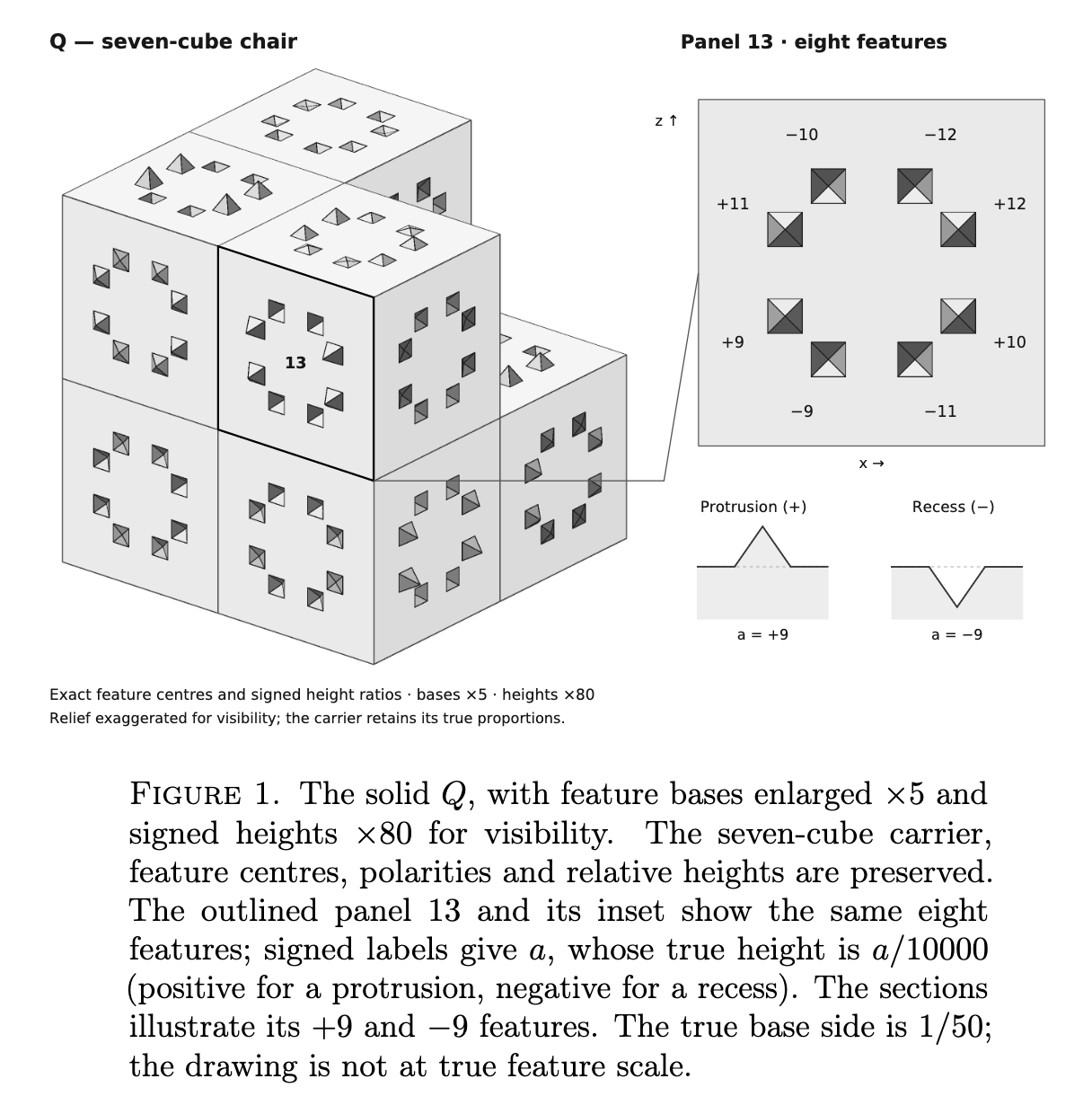
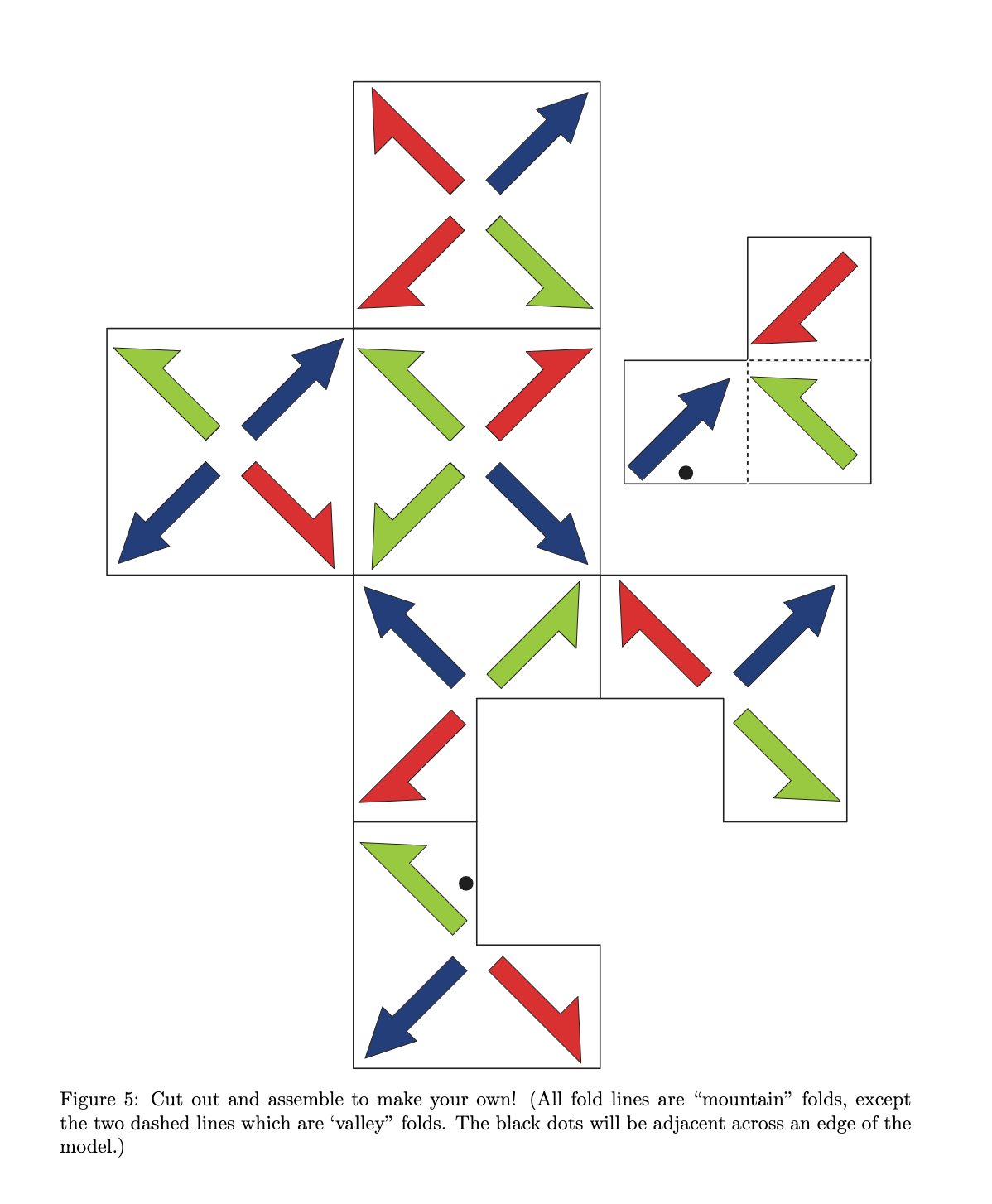
While the hat tile earned its name for its relatively nice aesthetic, in the 3D setting this shape earns the name of Chair44 due to its odd shape. A chair is a 2x2x2 cube with one corner cube removed, a classic name in tiling theory, with 44 indicating the 44 distinct chair positions where each one of the inward/outward pyramid bumps meet a dent of exactly matching size. The image above should make this a bit clearer.
Chair44 has the special property that any tiling it forms must be non-periodic, with no translational symmetry and no infinite-cyclic symmetry. In other words, you can fill space with it, but the pattern can never repeat.
Now the curious part of this paper is how Ioannis found the tile with help from OpenAI's new Astra model. He discloses this publicly, and also in the paper itself, but is apparently met with some pushback from mathematicians in the same field. Ioannis explains that while he's used an LLM to push things over the finish line, he had developed a methodology in the year before to guide the AI to make the discovery, he writes about it in a medium post:
 Ioannis Tsiokos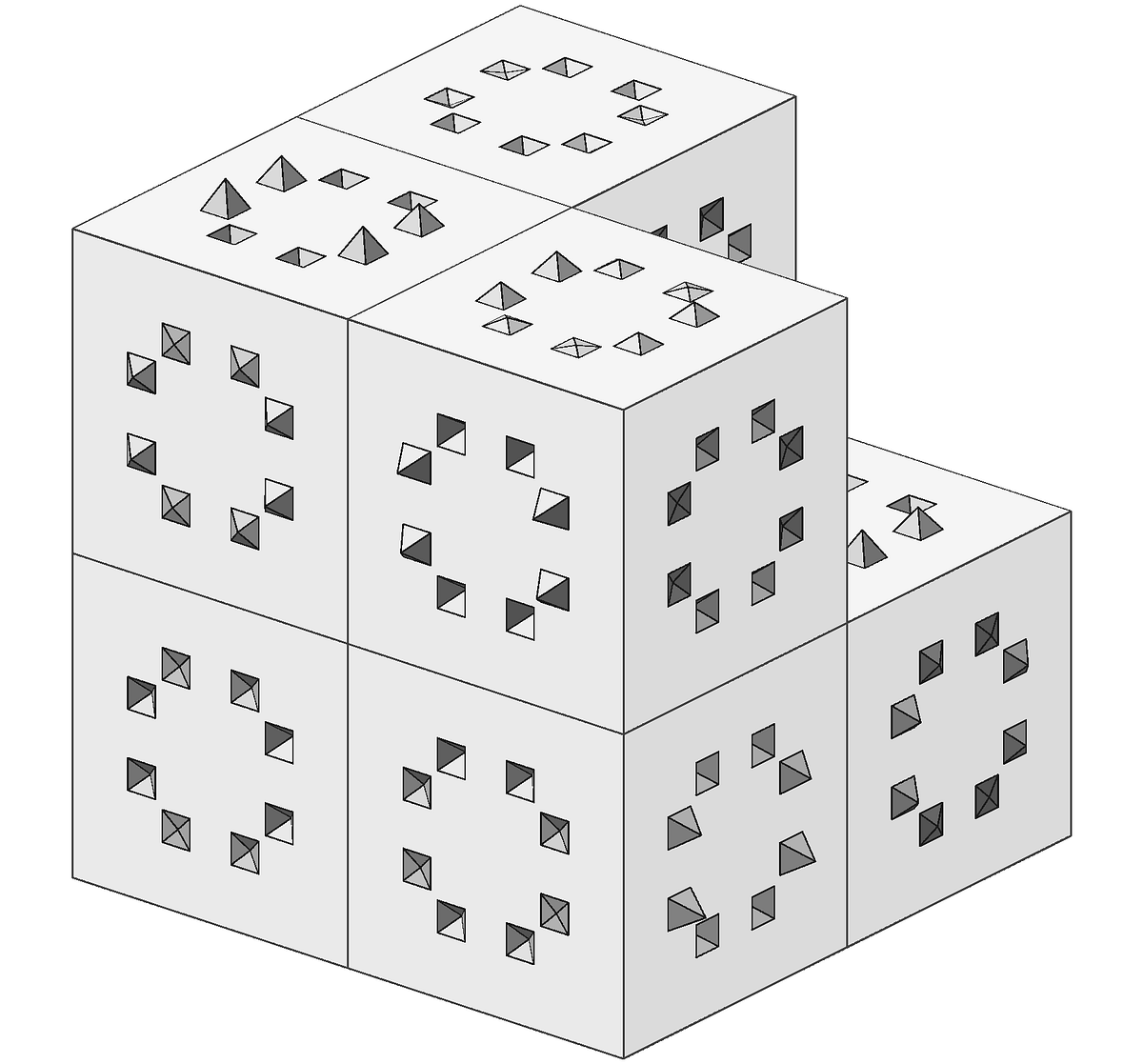
Chaim Goodman-Strauss published a note on this matter in response, also over on arxiv, that you can read here. His 8-page note does three things: it credits the discovery, criticizes how it was presented, and re-proves it in a few pages. He also provides a cutout to assemble the tile from paper.
5 — JS13K, Frank Force's Entries, and Music Generator: Frank Force is as prolific as ever, for the JS13K competition he created four tiny games that are all as enjoyable as they are interesting. A golfing game, a racing game, a language learning game, and a quirky emoji messaging game.
 Frank
Frank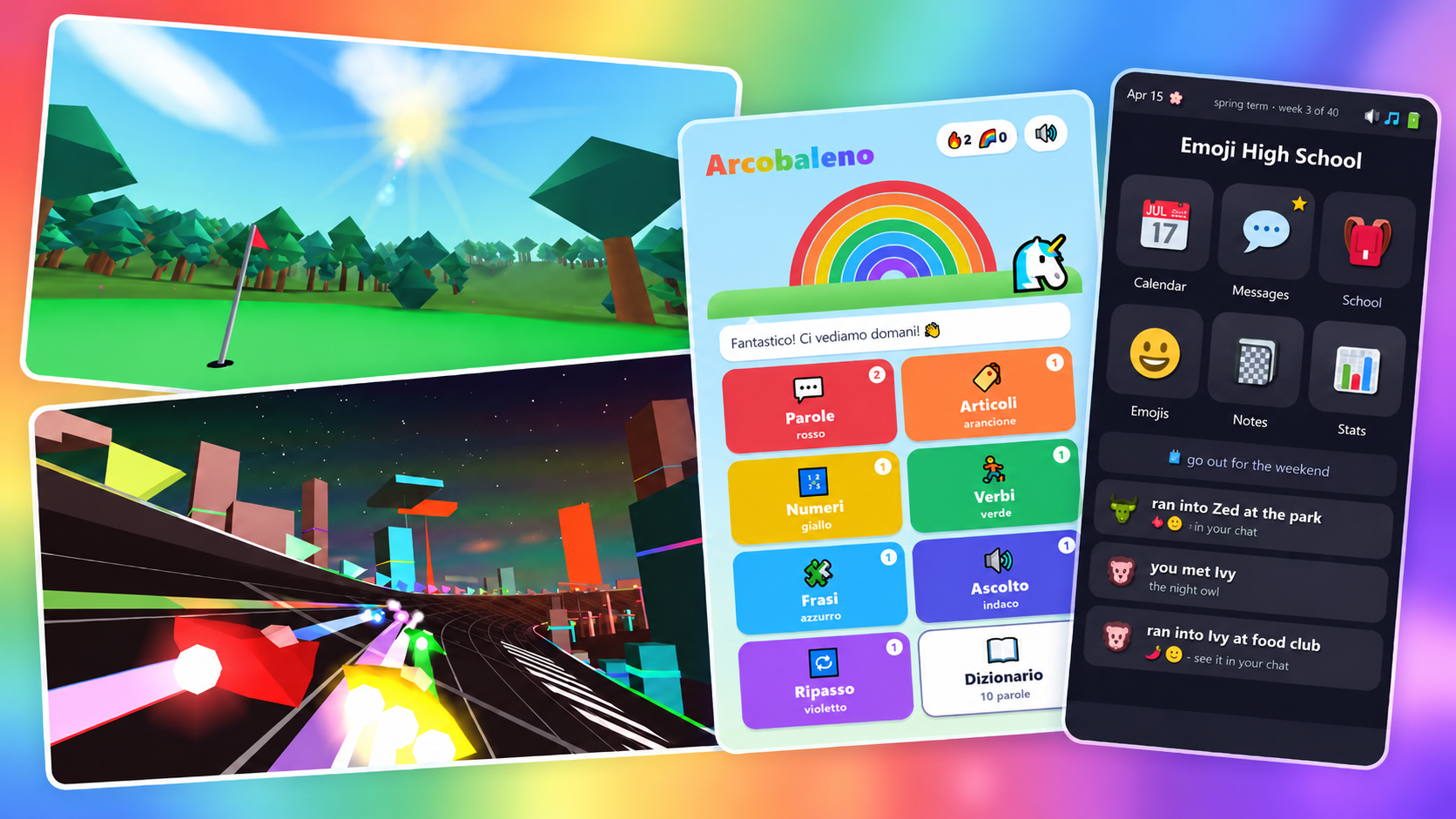
While all four submissions are spectacular, SP13KTRA caught my attention in particular; it's a fully 3D game with a custom WebGL renderer, all packed into 13KB of JavaScript! 🤯
Even at 13KB it’s a complete game with a title screen, a track select menu, mouse or keyboard controls, and your best time and placing saved for every circuit.
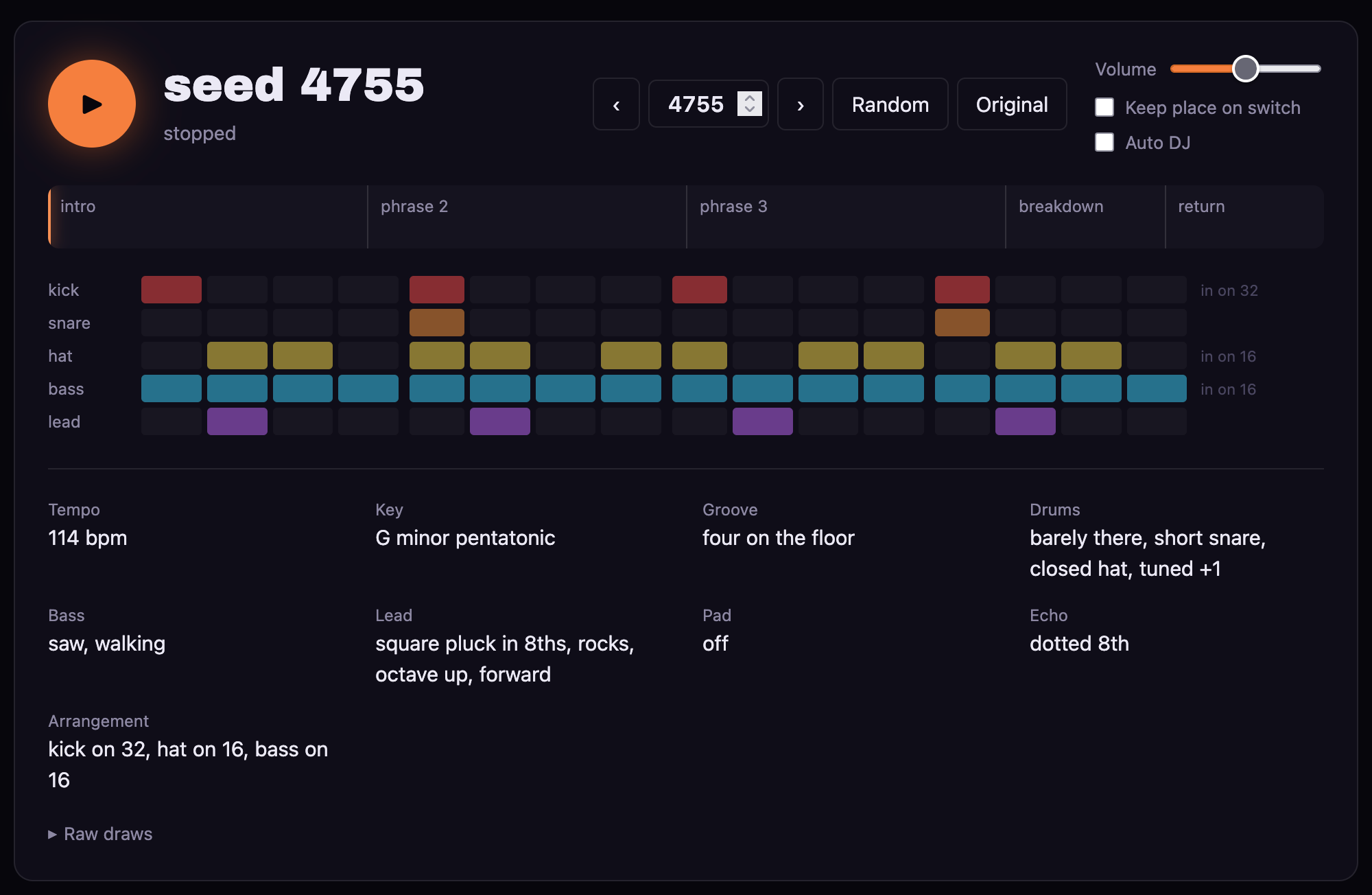
He also built a super cool music generator for the game, so that it can generate soundtracks on the fly for each level without having to directly include the audio file (which would blow up the size of the project). Frank set up a little website where you can play around with this generator for yourself.
6 — Setting up your own dependency free development environment for GLSL: after sending out the previous issue of the newsletter David Matthew shared a cool tutorial in the discord. It's a complte guide to setting up your own 'Shadertoy-esque' local dev environment without relying on any external dependencies:

New in AI
1 — TypeSafe's System One Model Jev: in a nutshell, Jev is a different kind of reasoning model that can make decisions. Unlike the plain-text LLM responses that we're used to, Jev outputs a probability score when it's asked a question in conjunction with some input text. TypeSafe call it a System One Model:
📖 System One models are a class of AI models built to make fast, structured decisions that software can use directly. A System One model evaluates a state and returns typed answers and probabilities.


So it doesn't generate text, but instead answers questions that we ask it about the state. Essentially a programmatic if statement with super powers. The following example is from their cookbook section, here's what you would feed into the model:
{
  "model": "jev-latest",
  "state": "Hi, I've been trying to connect my Stripe account for 3 days and it keeps failing. I'm losing sales. Please help ASAP.",
  "questions": {
    "is_urgent": {
      "type": "noul",
      "instructions": "The message conveys urgency or time-sensitivity"
    }
  }
}
And here's what you'd get back:
{
  "is_urgent": {
    "type": "noul",
    "noul": 0.999
  }
}
"TypeSafe" gains its name from the structured output that's returned, for which there are three types right now:
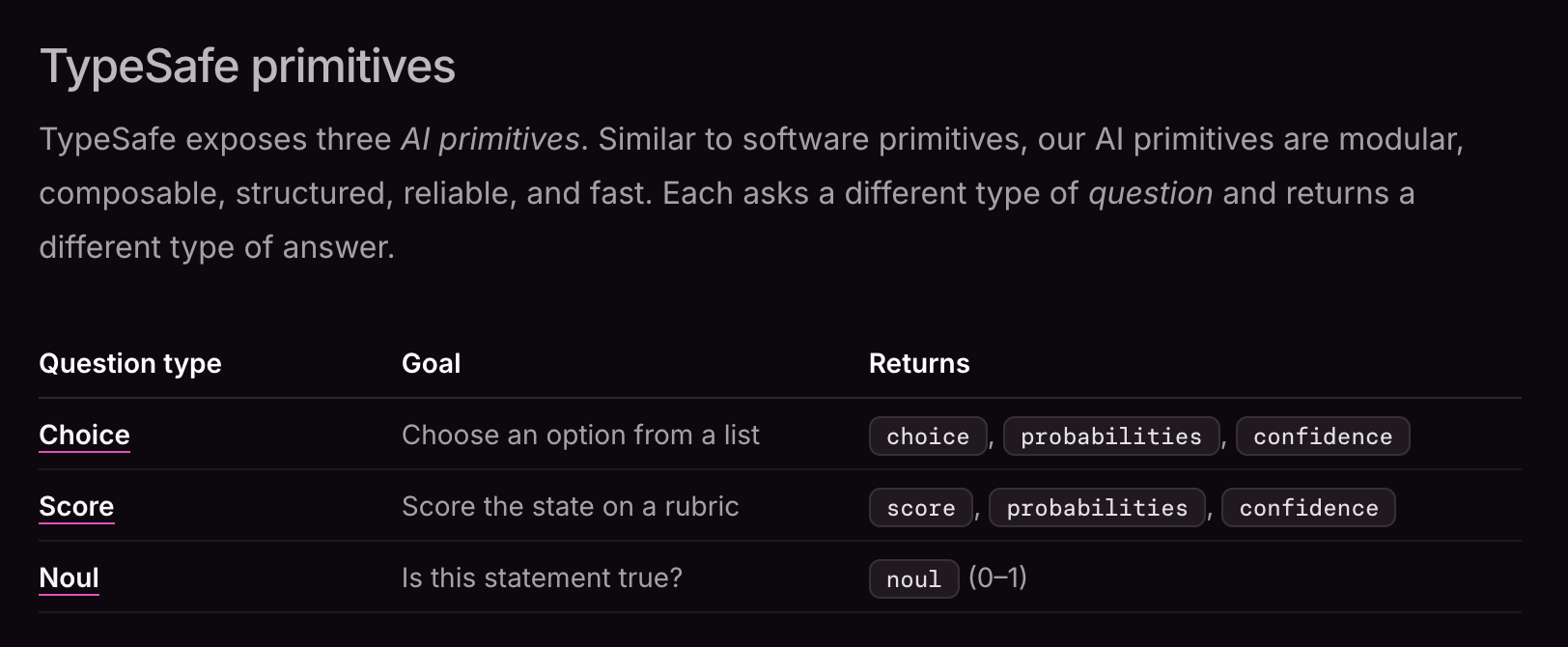
The novelty is that it can answer multiple questions about the given state in parallel, at very little extra cost. TypeSafe's claim is that they have 200x faster inference at a 400x lower cost, which is mind bogglingly impressive.
In light of this new tech, folks have already taken en-masse to social media posting all sorts of wild experiments. For instance, an automated real-time trading bot, a color finder, a command line tool that understands plain text questions, and even a full programming language that's based on the fuzzy kind of if-else logic Jev enables, JevaScript:
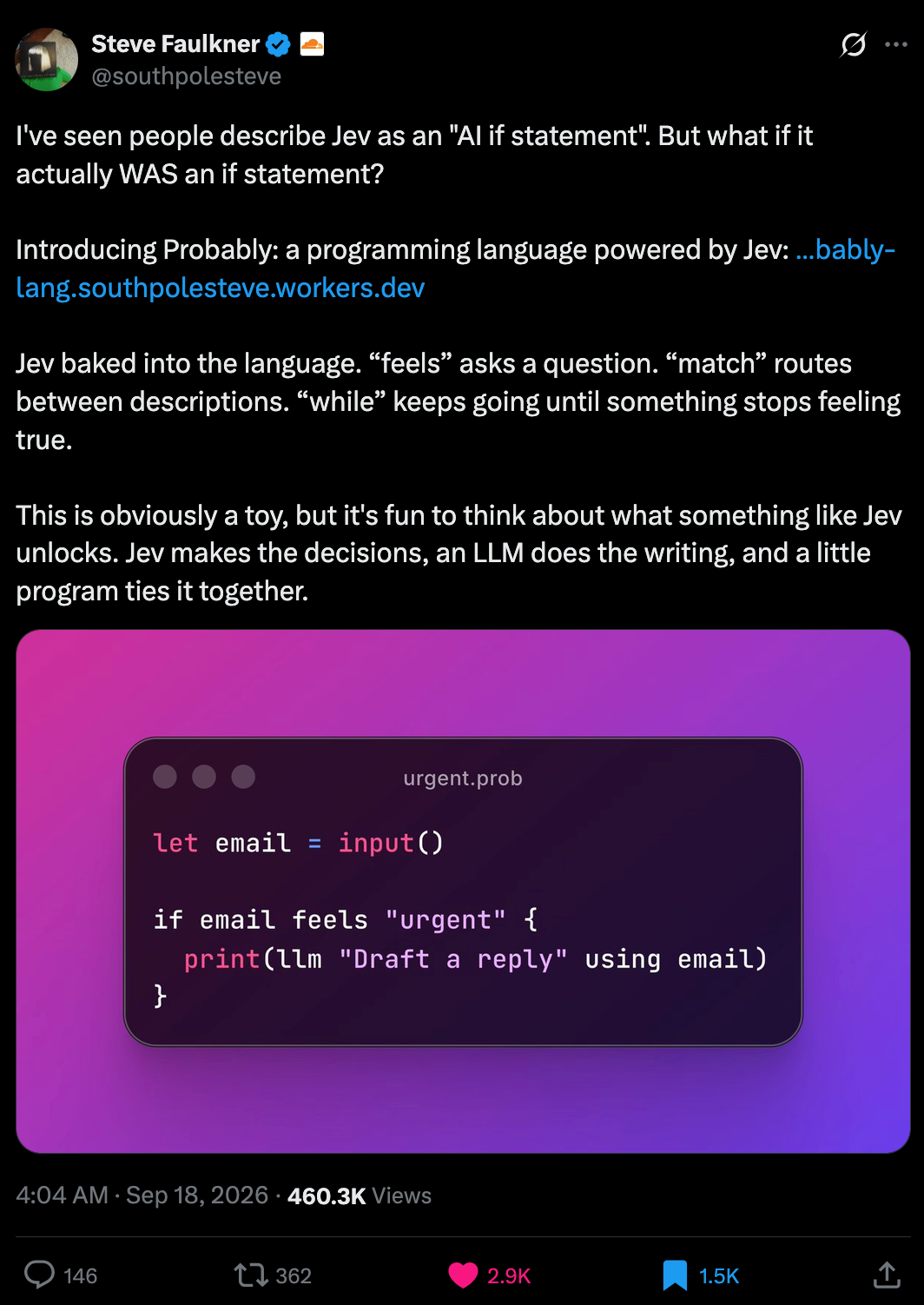
The other place where this will easily fit in, is inside of agentic harnesses where it will drastically reduce the time that it takes agents to make decisions about tool calls and branching choices.
 LangChain Accounts
We'll probably check in again in the next issue of the newsletter on how all of this has progressed.
2 — Dario Amodei's call to Pace the Frontier: Where do we start with this one? Either we're actually coming to our senses, and making steps to get this alignment train on track, or all of it is one big baloney sandwich we're being fed by the big AI corps. The latter seems to be the more plausible.
On September 9th former Anthropic employee Jacob Coxon took to social media, with what is without a doubt the most viral tweet in tech Twitter ever. It's reached over 170M views at the time of writing. In his tweet he announces his resignation from Anthropic due to the reckless pace at which the company has been pushing forward.
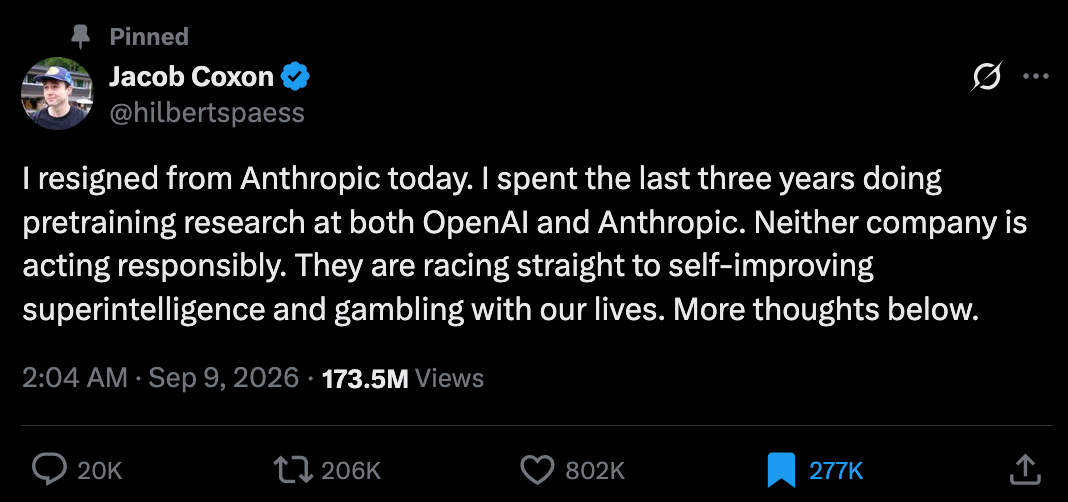
What's odd about the tweet is the inexplicable virality that Jacob's seemingly new account received, an account that he's actually never posted from before. Even more odd is the WSJ story that got published even before Jacob posted his tweet. Comparing the time-stamps on the two posts reveals it. Later on Jacob states in a reply that he had informed a WSJ reporter about his resignation ahead of time.
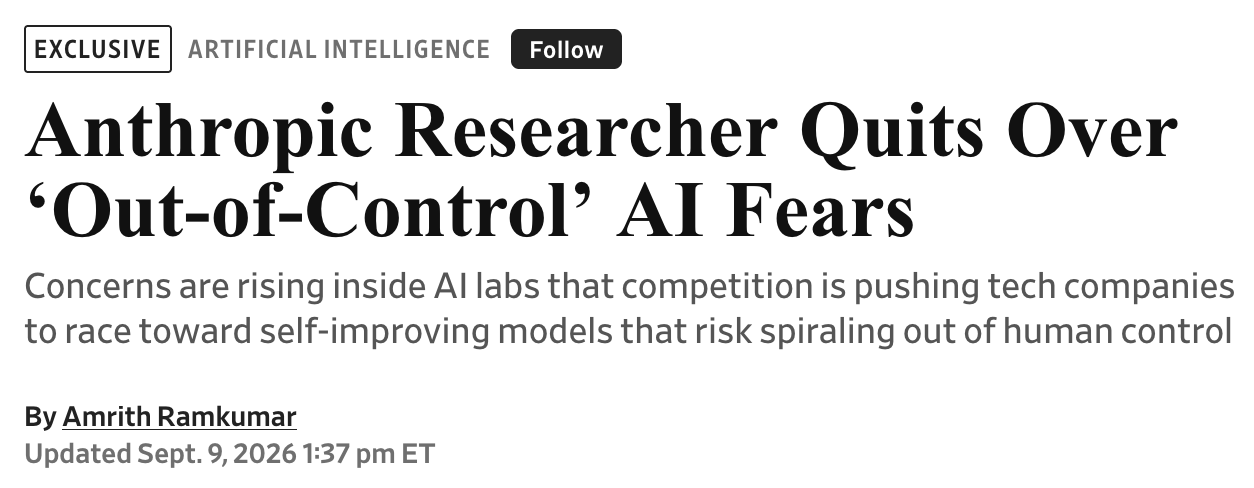

Strange.
A few days later Dario Amodei comes out of the woodworks, likely due to how viral the entire story became, posting to Twitter again for the first time in a long while. He shares a longer article where he states his own concerns about the pace with which AI is progressing.
He argues that models are already recursively self-improving, and presents the recent Hugging Face incident as a leading example of why the technology is dangerous. Without guardrails a repeat of this incident could have drastic consequences at a larger scale. A loose misaligned botnet could cause irreversible damage.


His suggested solution involves third party evaluators (Embedded Evaluators) to "verify adherence to safety practices and commitments" and that "Anthropic is unilaterally committing to this step now." Which actually sounds great on paper, but comes with a few caveats. He only states one of these Evaluators by name, METR, which is a privately funded nonprofit. The issue here is that Anthropic is actually deeply intertwined with METR (everyone knows everyone there).
Jacob's tweet could have been a genuine act of whistleblowing meant to force Anthropic to make a statement, or it could also just have been a publicity stunt. It is also hard to tell if Amodei's article is genuine. It is clear that Anthropic, as well as OpenAI, aren't really dependent on any external approval of their actions and can simply advance at the pace that they choose to set.
If you'd like to put on your own tinfoil hat, I highly recommend checking out The PrimeAgen's video that covers the entire story in a lot more detail and also elaborates on the issues with METR:
3 — Anthropic's Threat Intelligence Report & Predictions for our Economic Future: besides the drama Anthropic also released two informative reports, one about how bad actors have attempted to misuse their models for exploitative and criminal purposes between December 2025 and August 2026, and another one that tries to predict the economic changes that the US will undergo up till 2030 with the advancement of AI.
Despite its size, the cybersecurity report is really worth flipping through if you have some time; there's a couple of really crazy and interesting stories. It's fascinating how creative some people can get when they channel their criminal energy into an endeavour. From impersonating the French police for phishing purposes, to setting up a "discount Claude" that's not actually Claude to steal login credentials, all the way to instructions for building rockets, there's a whole bunch to sift through here. It's also interesting to see how Anthropic detected these miscreants and subsequently shut down their attempts.

The economic report on the other hand speculates how AI might transform the financial future of the US. In the article they posit jobs as bundles of tasks (based on the US Department of Labor’s O*NET taxonomy). Depending on how much AI affects each individual task we can draw a measure of how much a job changes. Some tasks get automated, some augmented (made easier), some don't change at all, and new tasks may also appear (like verifying the tasks that were handed off to AI).
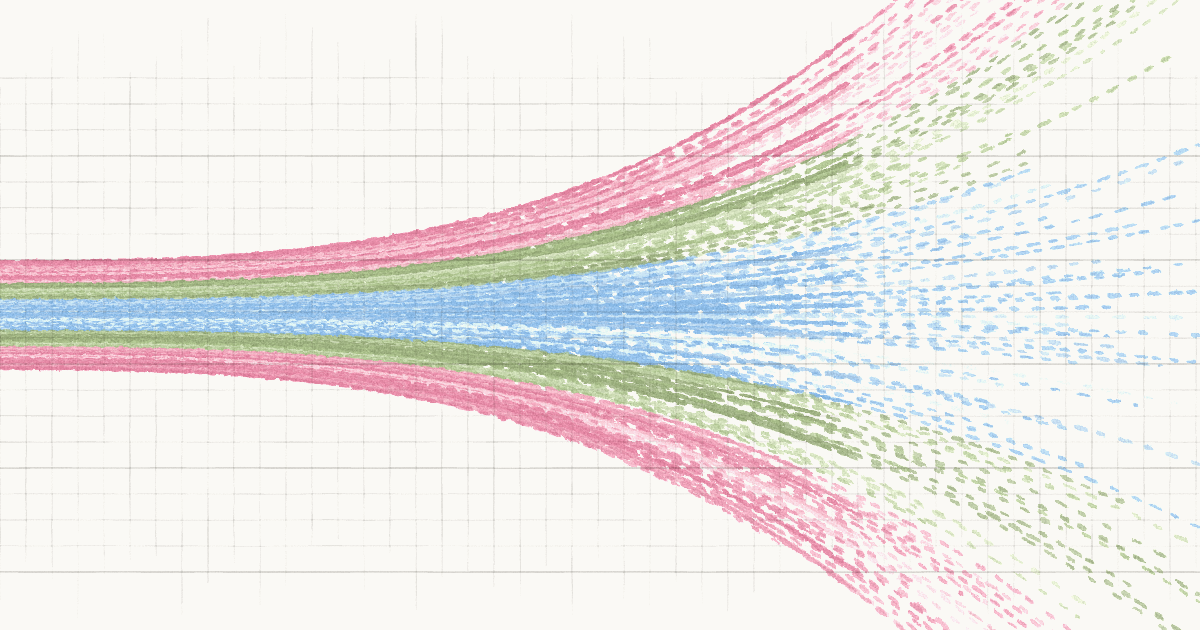
Tracking these changes across all tasks that make up the economy can give insight into how AI directly impacts the country's GDP. They lay out three scenarios: a modest one where AI's impact resembles the internet's, a substantial one where growth doubles, and an extreme one where the economy grows 15% a year, likely driven by self-improving AI.
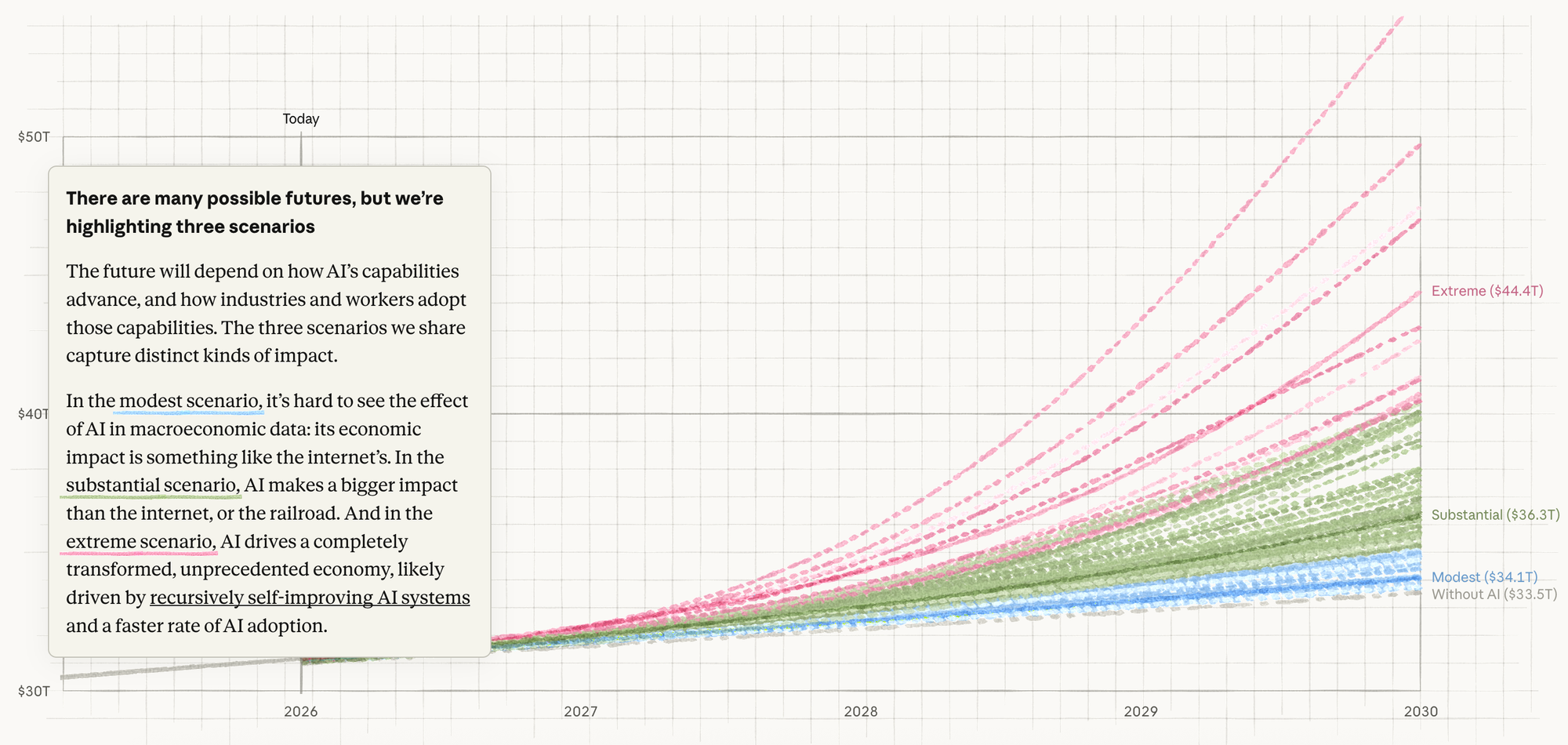
Across all three, average wages rise, but the gains go mostly to non-knowledge workers such as tradespeople and nurses. I highly enjoyed scrolling through the animated charts displayed on the page.

4 — The paradox at the heart of AI and Science: if you're not familiar, Terence Tao is widely regarded as one of the greatest living mathematicians. The Big Think Channel recently invited him to speak about his views on AI and how it has changed the scientific process in Mathematics. His opinion is that there's an inherent paradox: while AI can produce proofs that previously might have taken years to find by traditional means, the sacrifice we give for this acceleration is our understanding of the results.
He likens it to climbing a mountain. You get good at climbing mountains, by climbing mountains, and not by being helicoptered straight to the top. And a prime example of this is the recent AI-generated Navier-Stokes proof that we received from OpenAI. Mathematicians have yet to make sense out of the 160 page document that their agent cluster churned out.
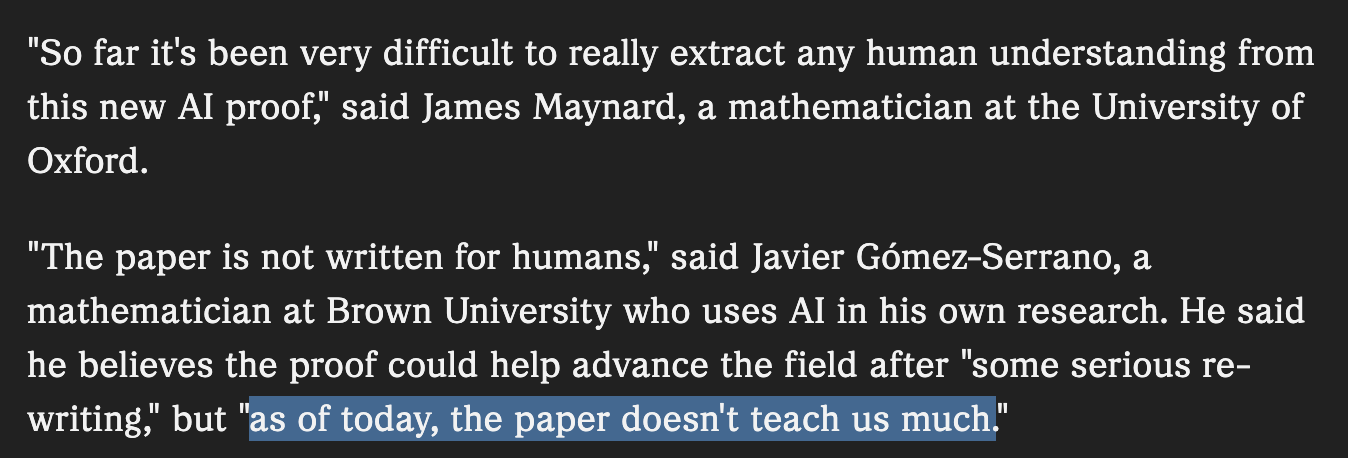
Ultimately these kinds of discoveries still need to be peer reviewed, and presented in a humanly understandable manner, before they can become widely accepted and serve as stepping stones for research down the line.
5 — MIT's AI and Education Report: in the same vein, universities are struggling with the impact AI has had on students and the learning process as a whole. A recent report from MIT presents some rough numbers: 46 percent of surveyed undergrads use LLMs daily, and 90 percent worry about their own overreliance. The number of undergrads who feel that AI makes them replaceable is greater than those who feel that it makes them capable.
MIT also states that they're reluctant to fight AI by surveilling their students, with concerns that this kind of policing creates an atmosphere of mutual distrust, besides current AI detectors being unreliable. Instead, MIT intends to rebuild their education around things that AI can't really replace, such as oral exams, semester portfolios, in-person project work, and a required social component in every subject. They even float the idea of rethinking grades entirely; without a GPA to optimize, much of the incentive to cheat with AI goes away.
New in Web Tech
1 — OKPalette: David Aerne is back with an improved version of another wonderful color tool he's previously built. OKPalette extracts and selects colors from an input image in a meaningful manner, to produce a palette that actually reflects the image. Try it out for yourself, the UI's beautifully designed and such a joy to click through:
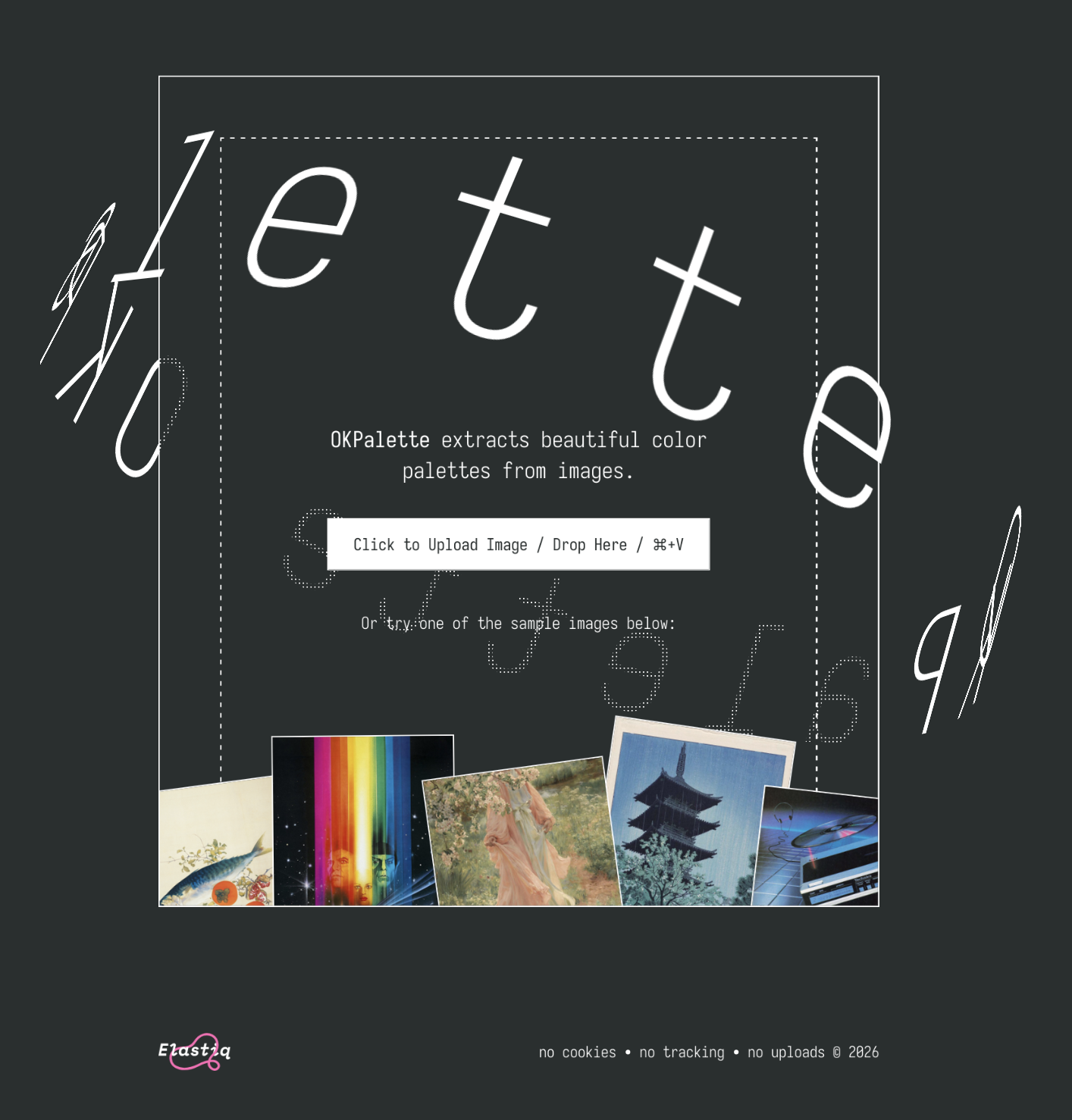

Earlier this year he also recorded a little guide to the tool over on YouTube, giving us a run-down of how it works:
2 — The lifecycle of a sharded Postgres query: in database architecture, sharding means the splitting of a database's data horizontally across multiple servers, so that each one only holds a subset of the rows, a "shard", rather than a full copy of the entire database.
In this kind of distributed system the lifecycle of a query becomes much more complicated than if the data all lived in one DB. While the database is much more scalable it also turns into an interesting engineering problem. How do we store rows across the different shards? How do we retrieve these rows? And what happens for more complex queries like joins?PlanetScale's article explains it all in a beautiful explainer decorated with interactive examples:
 PlanetScale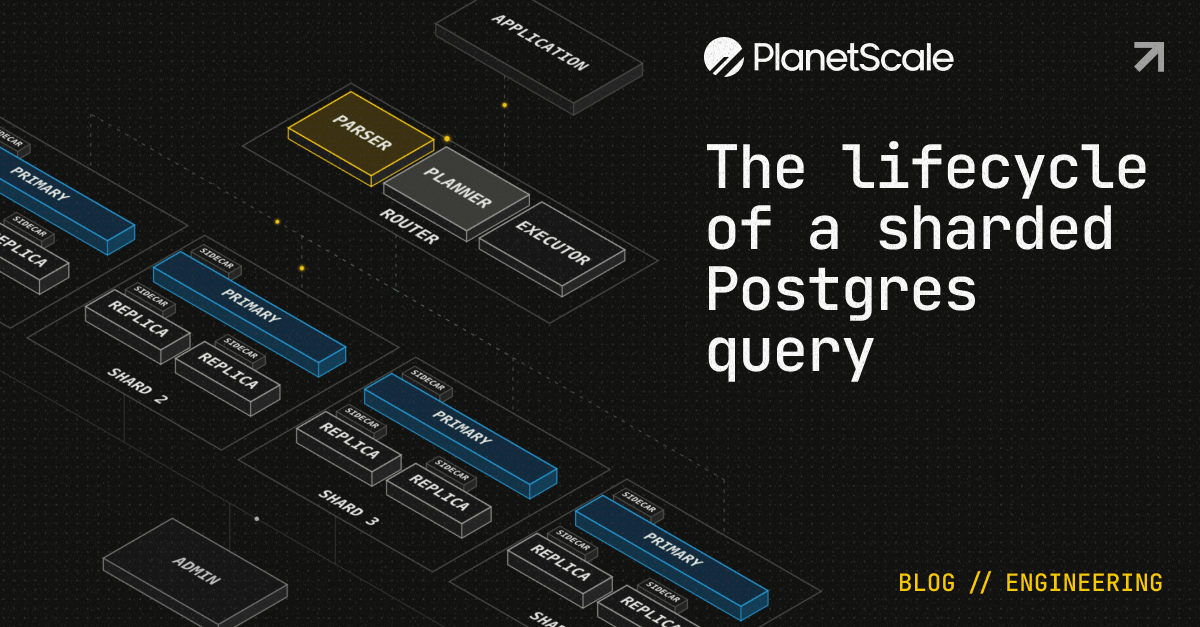
Storage is relatively straightforward, each row gets a shard key (for example, its id) that we can then hash to determine which shard it lives on. Retrieval also works the same way if you already know the key. Otherwise it gets more complicated as all shards will have to be checked if we don't know where the row is located. This operation is called a scatter-gather. Joins are even more complicated, if related rows live on different shards, we have to fetch them all and assemble the result.
PlanetScale's takeaway is that picking a smart shard key, one that keeps related rows together on the same shard, makes most of that complexity disappear, but my explanation strips away a lot of the details, so if you're curious about this, give it a read.
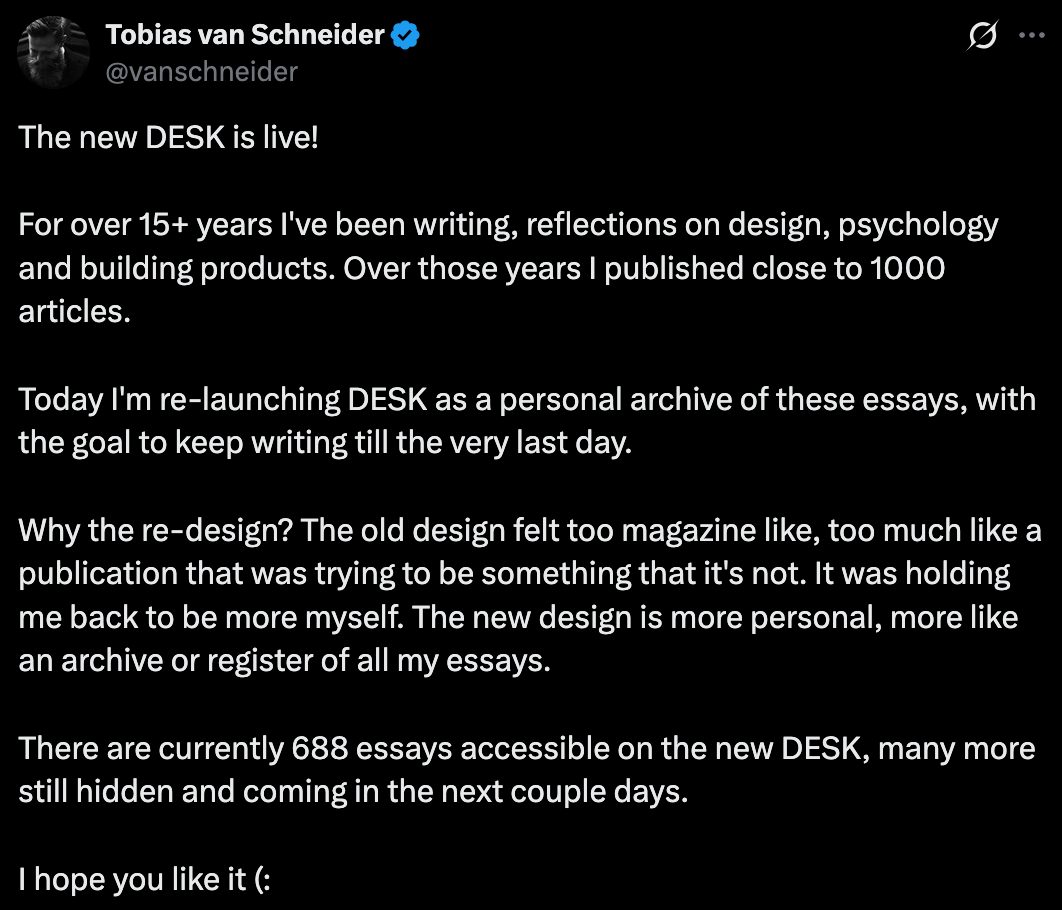
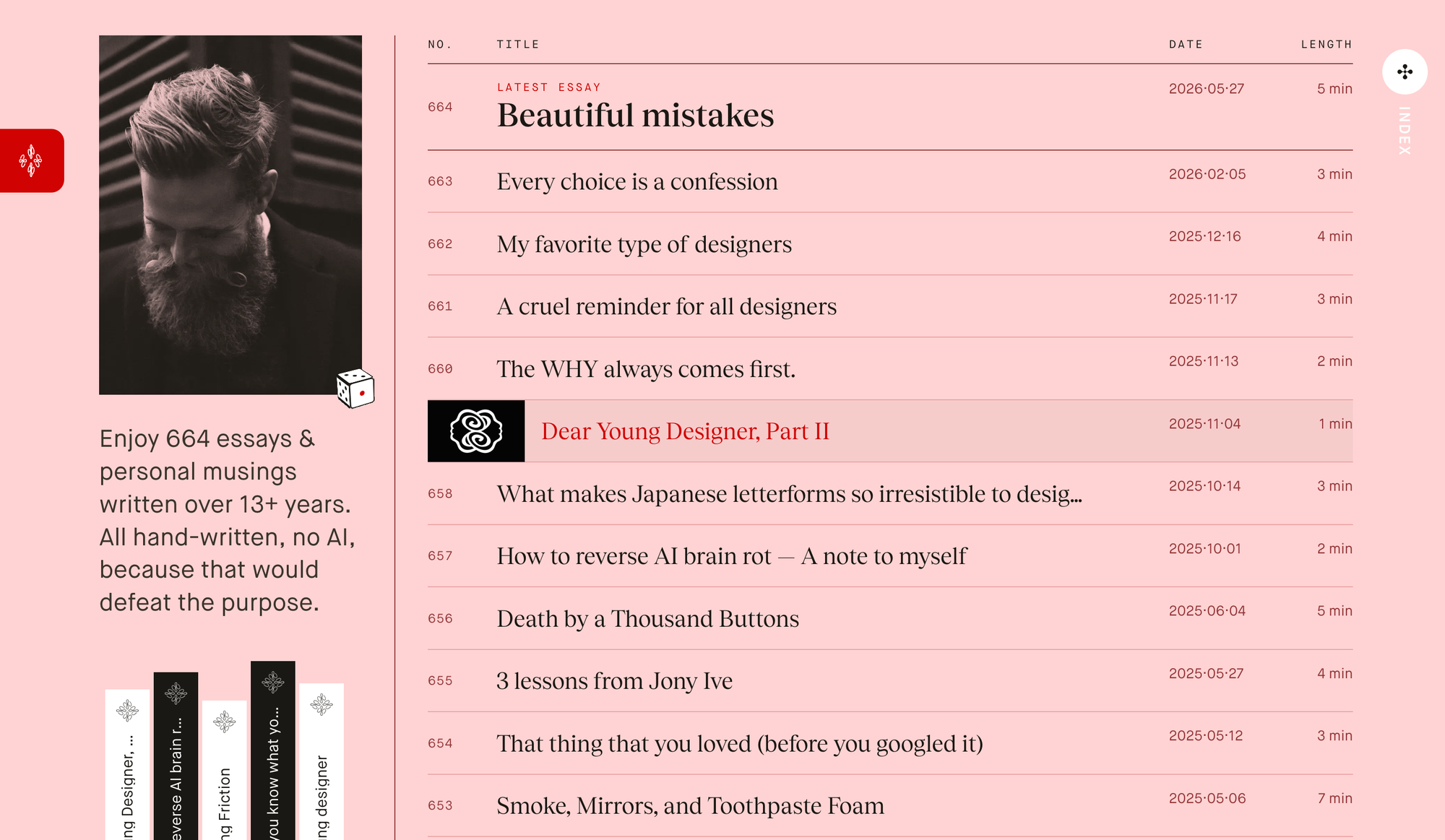
3 — Tobias van Schneider's Portfolio & Blog: Tobias van Schneider is a master of his craft, creating the branding and visual identity for more than a few very renowned companies and projects, including both NASA's Mars and Jupiter missions, as well as Spotify among others. He recently redesigned his blog and essay archive, a collection of insightful, beautifully written musings on design, technology and working in the field.


4 — Daryl Patigas' Portfolio & Stub Generator: and while we're talking about portfolios, another website that I've been coming back to almost every day over the past week, simply because it looks stellar, is Daryl Patigas' new personal page. It's still a WIP, but the load in animation on the hero section is already worth a visit:

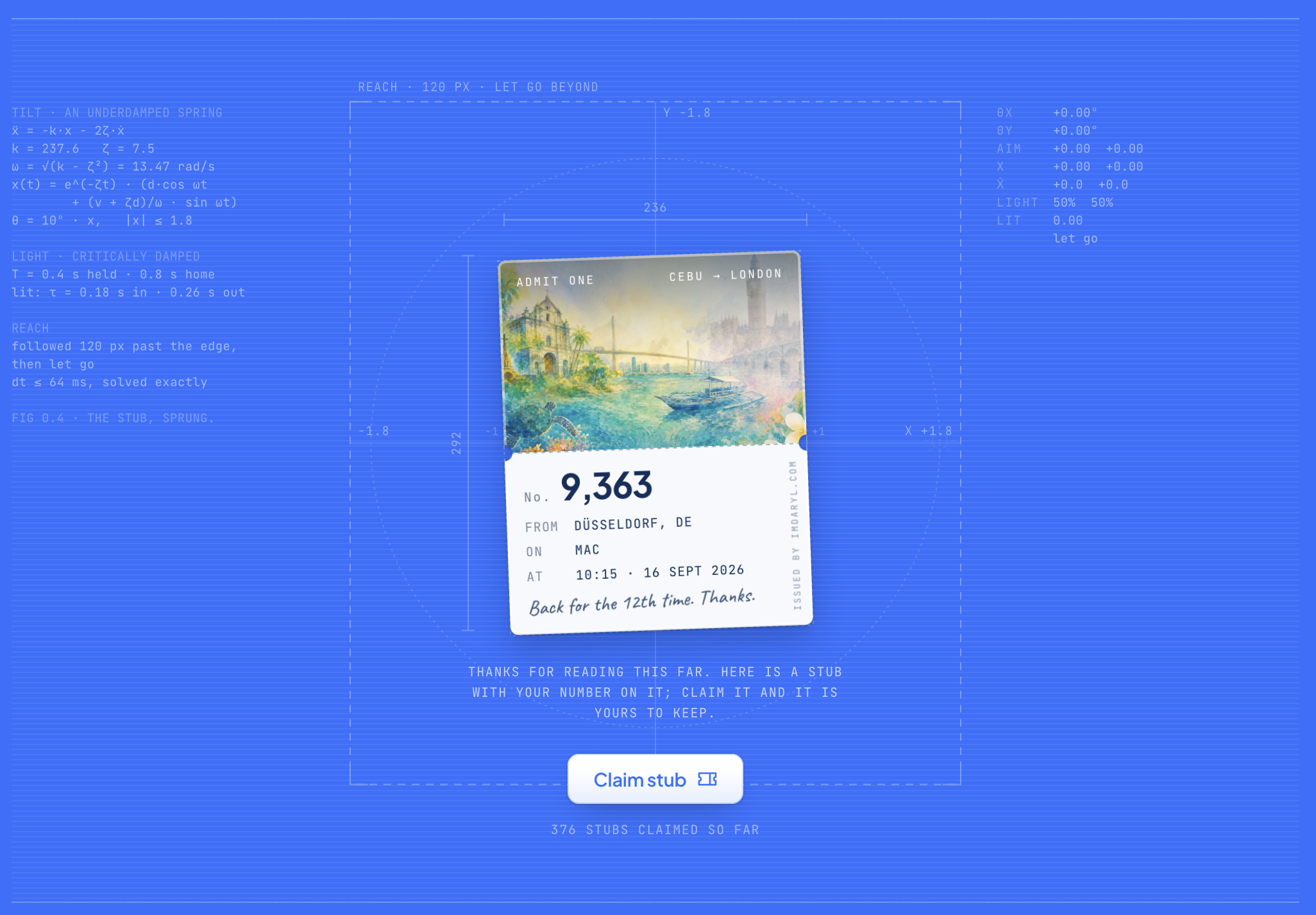
He's also built a whimsical little stub generator for all those who end up visiting his page, that you can claim and download for yourself as an image, after claiming it the page will remember your visit:
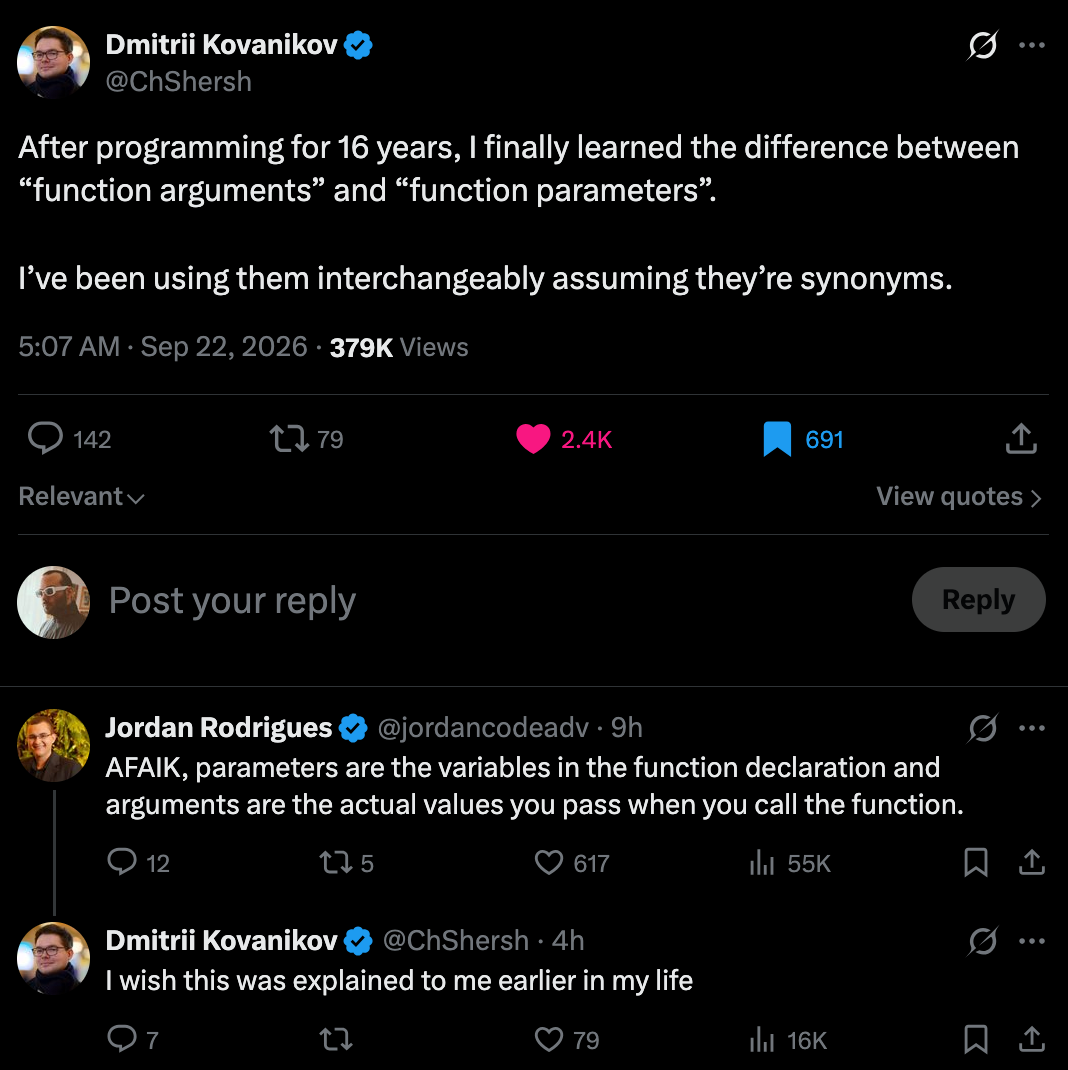
5 — Function Arguments vs Function Parameters: and to wrap up, TIL the difference in the terminology... as I've been using the two pretty much interchangeably.
Gorilla News
It's been another two very busy weeks on my end! I posted a new reel to Instagram, dedicated to the iconic demoscene tunnel effect. After discovering Andre Weissflog's Tiny Emulators website (highly recommend checking out that page), one of the demos caught my attention in particular: Overflow's Backtro.

It's a cool texture-mapped tunnel animation, where the tiles get pulled in towards the center of the shape. Safe to say that I was quickly nerd-sniped and had to figure out how it was done. I report my findings and how to create the warped tunnel-effect in the short video:
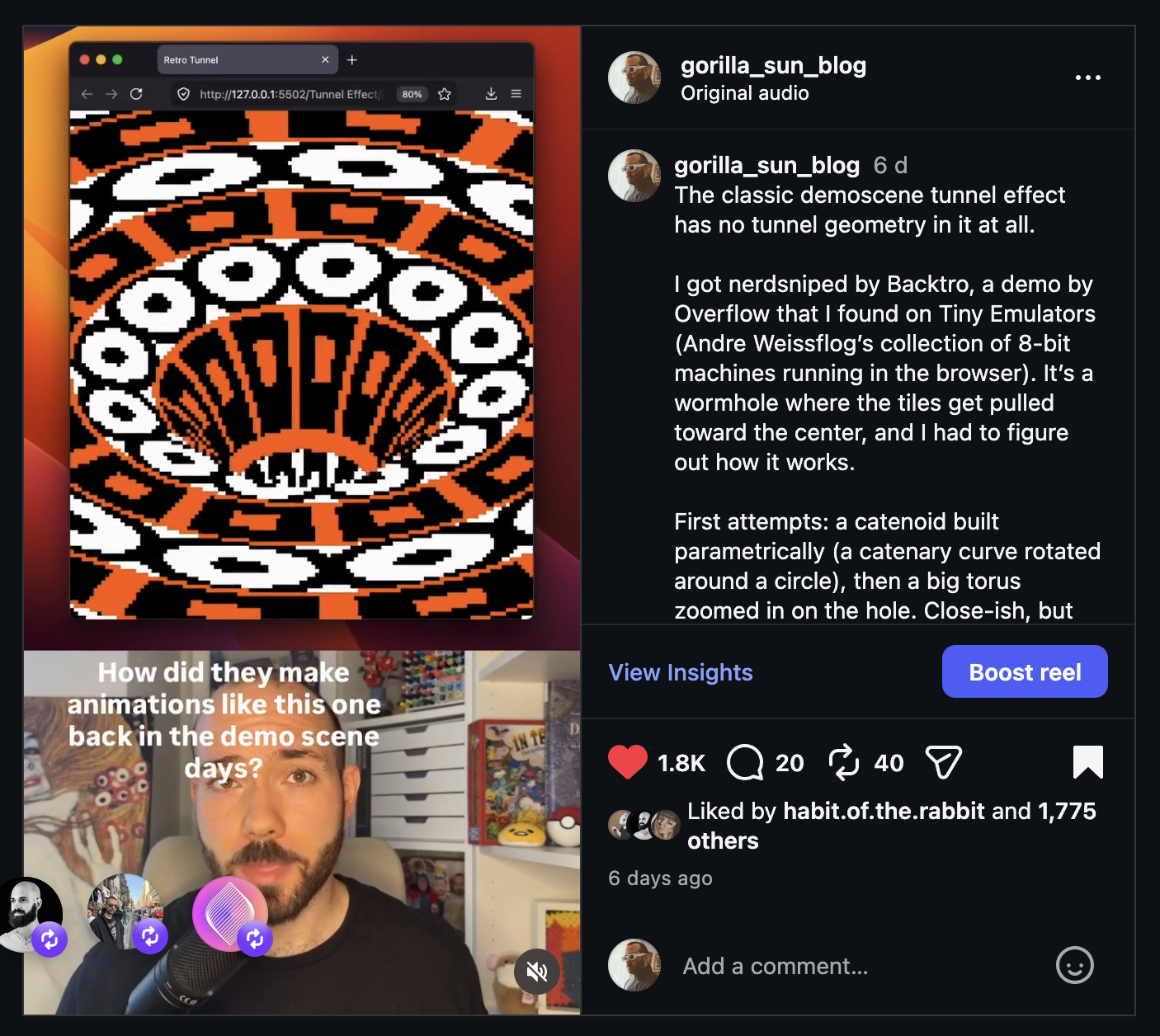
If you've followed my socials then you'll have seen some of the WIPs I posted leading up to that post. It was an incredibly rewarding sketch to figure out! There's a lot of interesting optimizations there, particularly in my own version where it's texture-mapping an animated SDF instead of just a simple image. I can also export perfect loops, but now I realize that I also should upscale it to a larger canvas. Anyway, enjoy your tiny GIF loop 👇

I'm really happy with the reception the short videos I've posted to Instagram have gotten so far. It does take quite a bit of time to put all of it together, but it's worth the effort. My partner has been telling me for years that I should show my face more on social media and make video content, but I've always been a bit too self-conscious about it. I still find it very hard to talk directly into a camera, but with the practice I've gotten now I don't really hate my voice that much anymore.
There are many more things in the pipeline, but that's the update for this week.
Music for Coding
In the last issue I shared music from Mac DeMarco's former guitarist. This week I'm going back further, to Mac DeMarco before he was known as Mac DeMarco, but rather going under the alias of Makeout Videotape, a project in collaboration with his friend Alex Calder.
Between 2008 and 2011 they put out a run of records under that name, where Ying Yang (2010) ended up being their only full-length album, and you can already hear the beginnings of his later sound in it. If you're into fuzzy, lo-fi indie rock, this is the album for you.
And that's a wrap — hope you've enjoyed this curated assortment of tech shenanigans!
Now that you find yourself at the end of this Newsletter, consider forwarding it to some of your friends, or sharing it on the world wide web... more subscribers, views, and reads means more internet points, which in turn enables me to do more internet things!
Otherwise come and say hi over on TwiX, Instagram, Mastodon, or Bluesky and since we've also got a Discord now, let me plug it here again. It's been a tad bit inactive, but we can change that... maybe.
If you've read this far, thanks a million! And in case you're still hungry for more, find a backlog of all previous issues here:

Cheers, happy coding, and again, hope that you have a fantastic week! See you in the next one!
~ Gorilla Sun 🌸